A Definitive Guide to the Photography Styles Couples Love
Most couples arrive at their first photographer consultation armed with a phone full of saved Instagram posts and a Pinterest board bursting at the seams. They know with absolute certainty what moves them, but when asked to describe it, the words dry up.
Dreamy, moody, light and airy. These phrases are a great starting point, but they rarely give a photographer enough to work with. The truth is, the images you love are the product of very deliberate technical choices. Identifying your style is the first step in finding the right photographer to help your vision come to life.
The Romantic Boutique Look
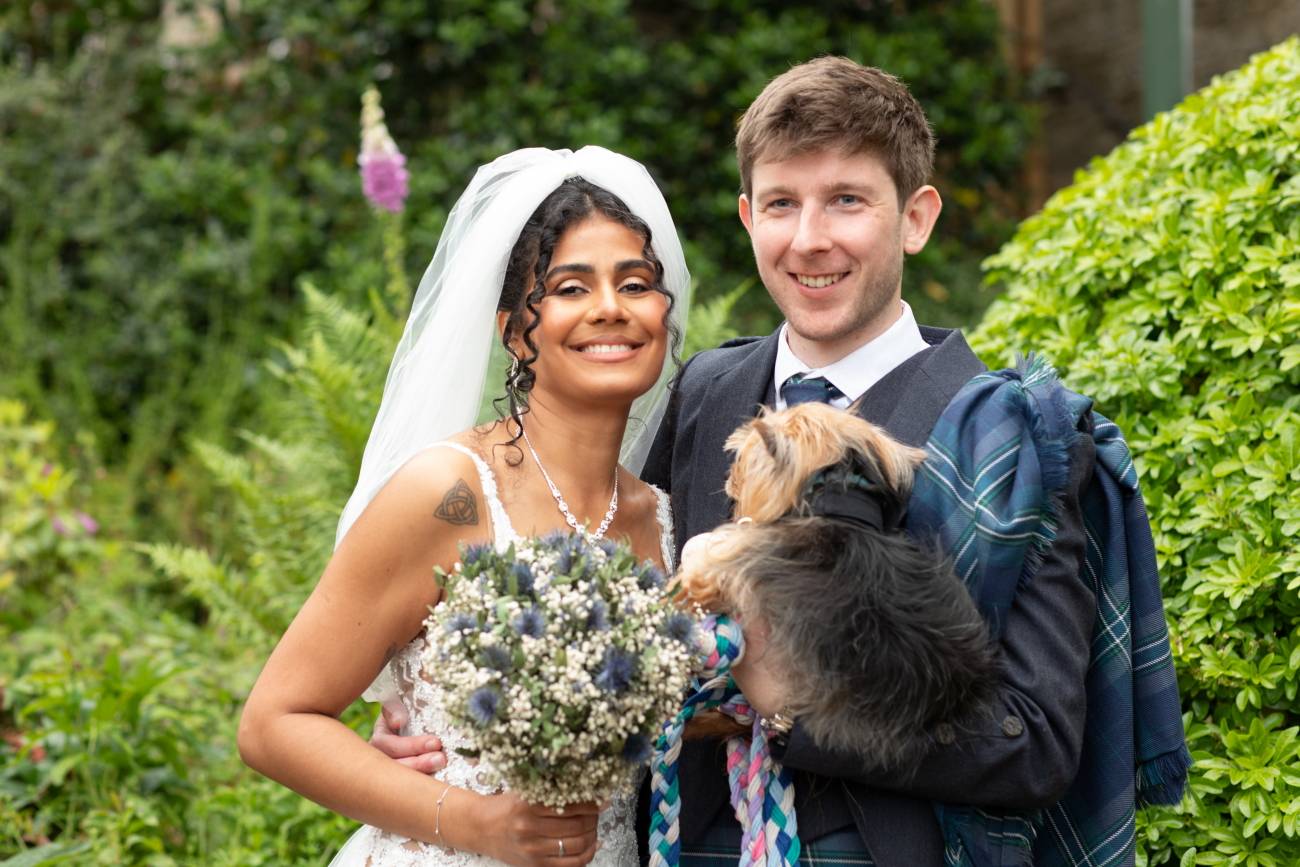
This is a style we instantly associate with weddings. The couple are pin-sharp, almost luminous, and the background dissolves into a creamy wash of colour and light. Flower arrangements appear like an impressionist painting and the world around the couple seems to gently fall away. If your Pinterest board is full of close portraits and backgrounds that look like they have been painted, this is your style.
The boutique look is built almost entirely on one technical principle: depth of field.
A wide-aperture prime lens is the tool needed to create this effect. More so than the zoom lens, a wide-aperture prime lens has a fixed focal length that produces a razor-thin plane of focus. This means the subject will be sharp, while everything else blends into a bokeh effect. The result is a cinematic shot that’s unmistakably romantic.
The ‘romantic boutique’ look requires high-end optics that many photographers now source through the circular economy, to ensure they have the best kit for every wedding. Specialist marketplaces like MPB have become a staple for professionals, offering a sustainable way to more readily access the elite, wide-aperture lenses that create such an unmistakable atmosphere. Understanding the calibre of equipment your photographer uses is the first step in ensuring they can deliver your envisioned imagery.
The Cinematic Highland Landscape
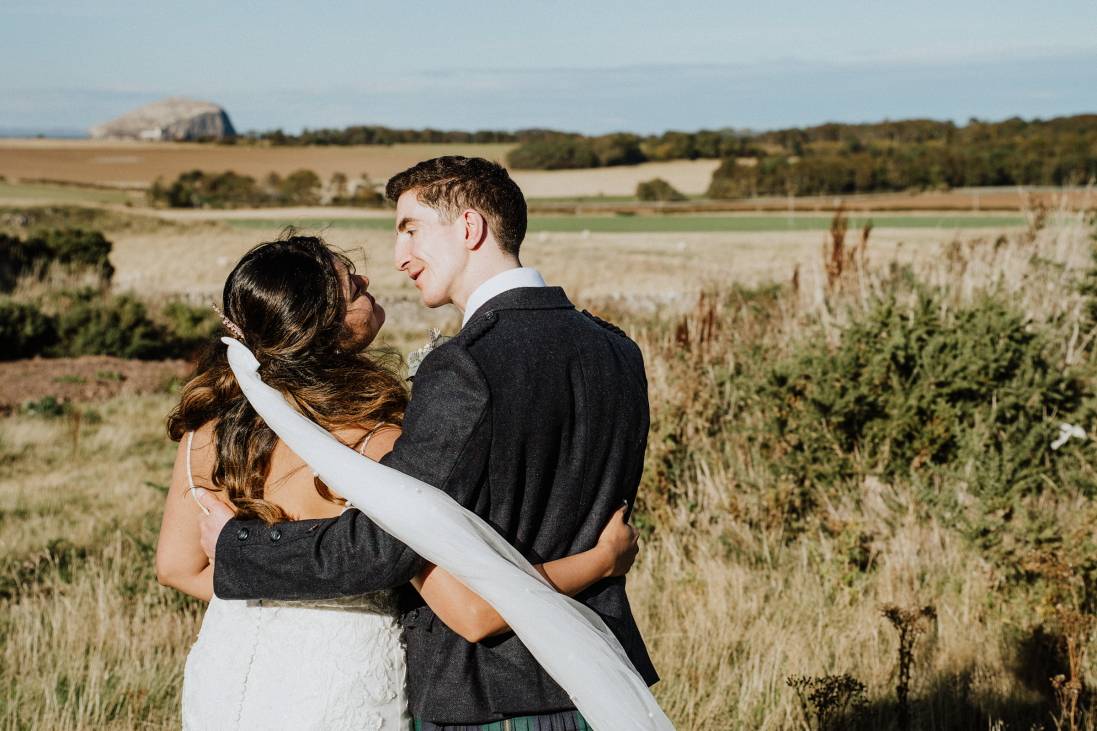
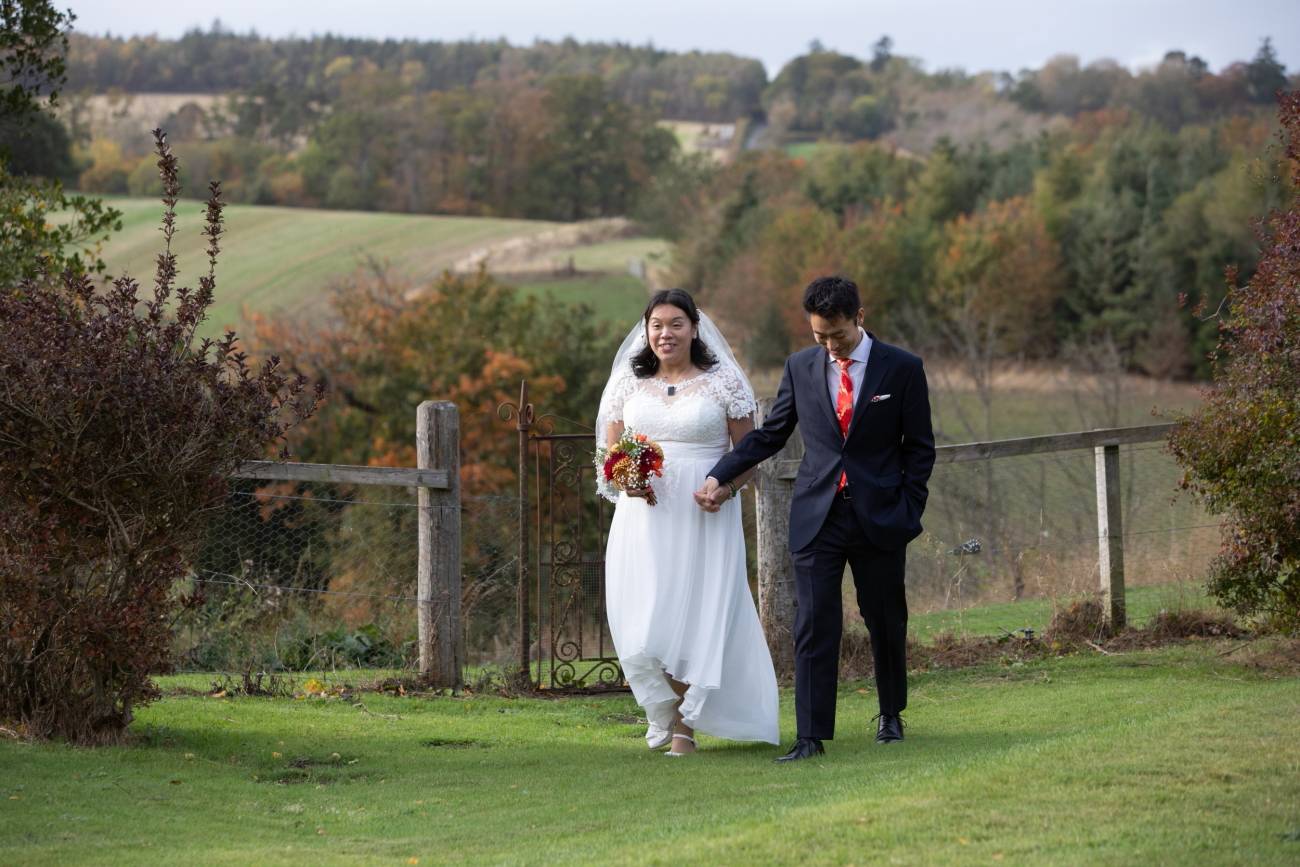
Scotland offers something truly spectacular for wedding shots: scale. Ancient glens, brooding lochs and volcanic backdrops, castle ruins silhouettes against vast skies. The landscape is epic, grand and becomes as much a part of the story as the couple themselves.
Our natural field of attention tends to range from 35-50mm, so when you shoot wider, it creates a sense of vastness and richness. A 16-35mm wide angle lens is built to take in sweeping fields of view.
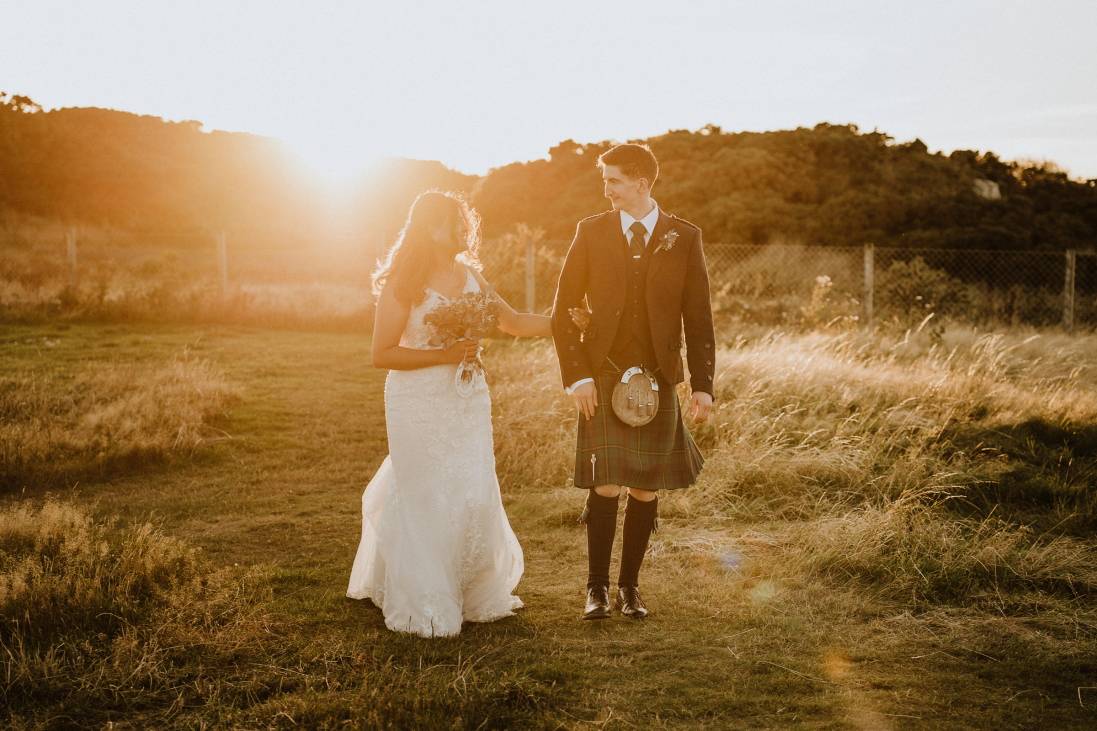
Cheaper wide-angle optics introduce barrel distortion, which makes straight horizons bow and figures near the edge of the frame look stretched or strange. High-quality lenses maintain their linear integrity across the whole image. This means the background looks epic, but you still look natural and undistorted.
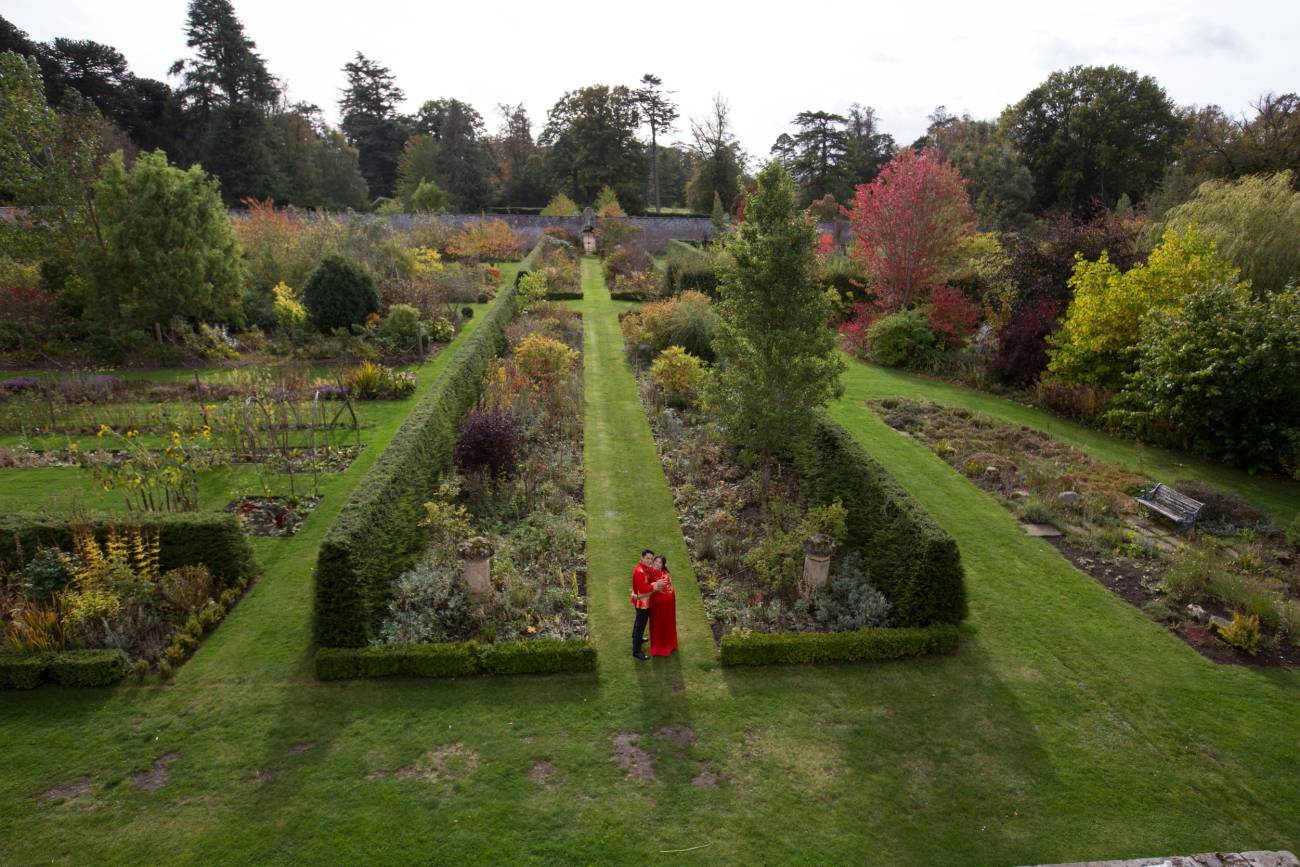
If you’re marrying in the Highlands, on a coastal clifftop, or within the grounds of a historic estate, ask your photographer specifically about their wide-angle setup. The scale of your location deserves kit that will honour this.
The Documentary and Candid Detail
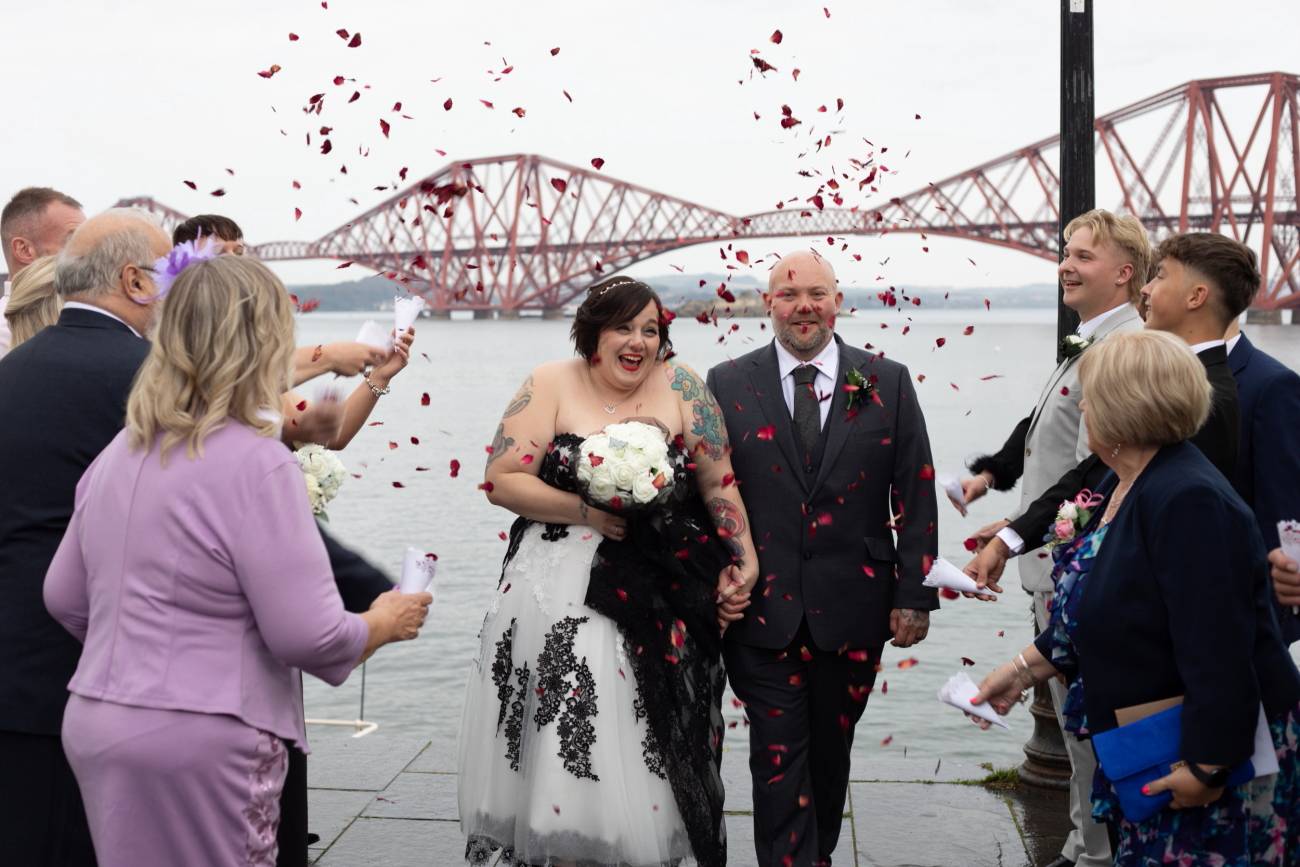
Not every couple wants to be directed. In fact, some of the most powerful wedding images ever taken are the ones where nobody was looking. A father steadying himself before the ceremony or bridesmaids collapsing into laughter in a corridor. The quiet moment between ceremony and reception when you finally catch each other's eye.
These candid details are really what your entire wedding day is about, so capturing them on film is a must.
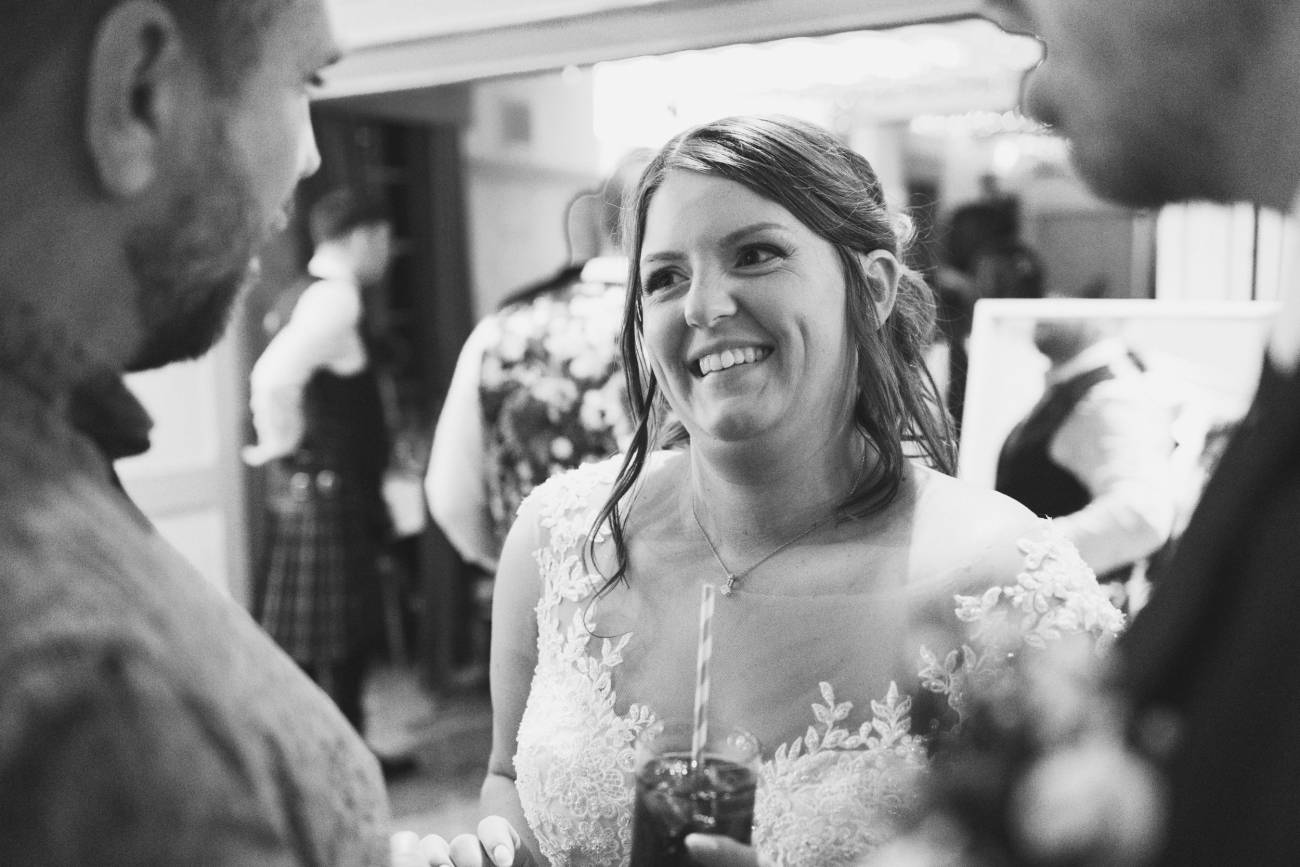
Documentary-style wedding photography is a discipline of invisibility. Your photographer becomes a mere presence in the room, rather than curating poses and directing. This style comes with a significant technical requirement.
Since weddings typically happen indoors, whether in a church, a hotel or even a marquee, the light tends to be quite low. Flash photography destroys the ambiance, so tools are required to get the right look.
Instead of flash, photographers rely on what’s known in the industry as ‘fast glass’. These are lenses that have a very wide maximum aperture (f/1.4 or f/1.8) which are paired with cameras that perform extremely well at high ISO settings. Together, they allow for photos to be taken in near-darkness that are still sharp, warm and full of life, so your candlelit ceremony or evening reception gets recorded without any mood-killing flash.
However, not every photographer has this kit, so it’s worth asking beforehand if these are the sort of shots you’re expecting.
Aligning Your Vision With the Right Expertise
Now that you understand these three pillars and the techniques behind them, you’re better equipped to have a practical conversation with your photographer and get photos back that truly meet your vision. You can ask them which lenses they use for portraits, for example, or how they handle low-light environments without flash.
A photographer who can answer these questions with confidence and specificity is one who has invested seriously in their craft, so you can be confident you’ll get stunning images back after the big day is over. It ensures that on the day, you can forget about the photos and just focus on each other, knowing the technical side is in safe hands.